
When we think about the internet, we often imagine a “cloud”—something light, fluffy, and invisible. In reality, the internet is anchored to the ground by massive warehouses called data centers. These buildings are filled with thousands of servers that run 24/7, generating an incredible amount of heat and consuming a staggering amount of electricity. In fact, if the internet were a country, it would be one of the top electricity consumers in the world.
As we move into 2026, the demand for digital space is only growing. From AI-driven websites to massive streaming platforms, the energy required to keep us connected is skyrocketing. However, there is good news. Many web hosting companies are stepping up to ensure that building a website doesn’t have to mean hurting the planet.
If you are looking to start a blog, a portfolio, or a small business site, here are the top three green web hosting services leading the charge in 2026.
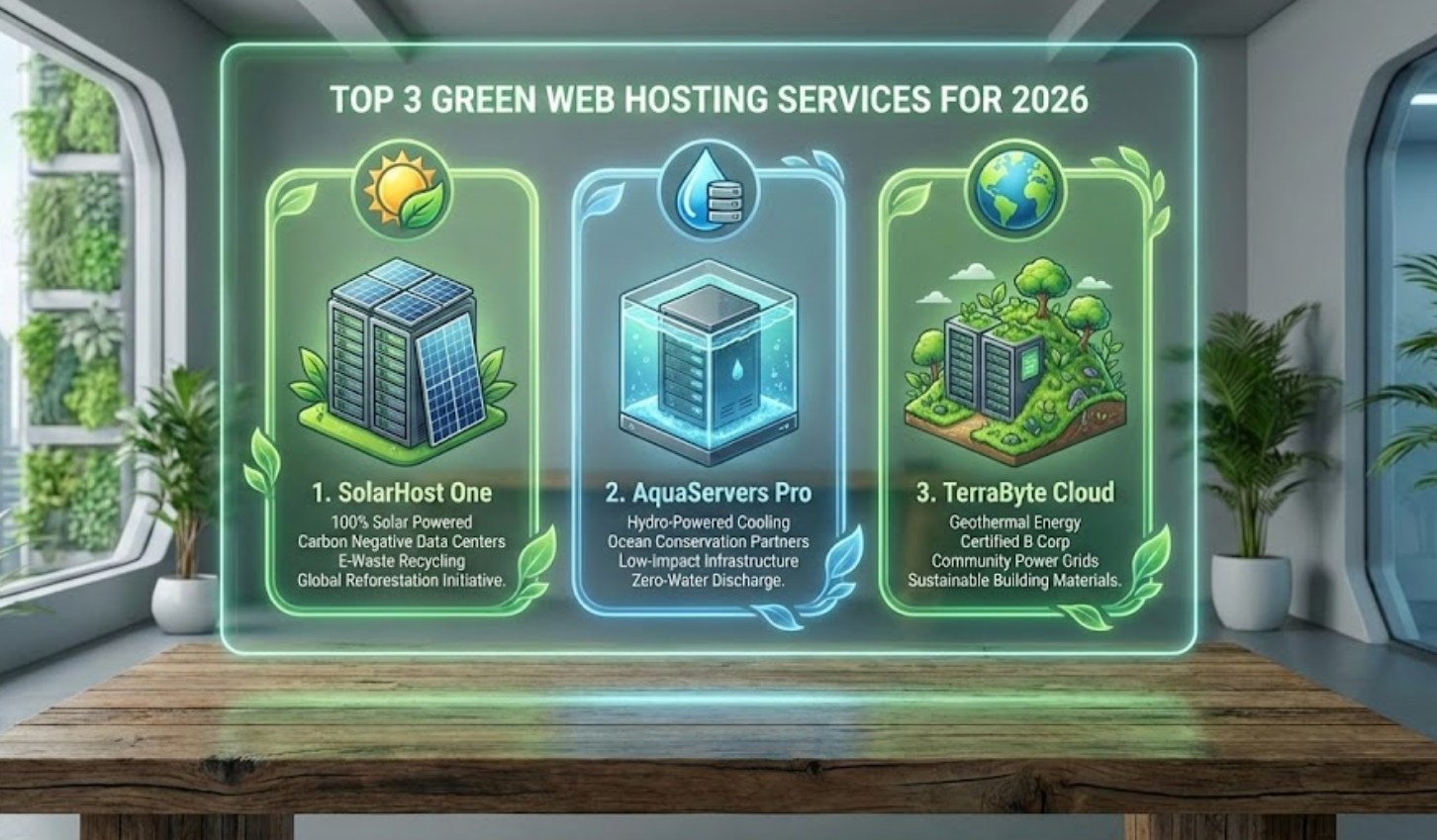
1. GreenGeeks: The Industry Gold Standard
GreenGeeks has been a leader in the eco-friendly hosting space for years, and by 2026, they have only refined their mission. They don’t just claim to be carbon neutral; they are actually “carbon negative.” This means they put back more clean energy into the grid than they take out.
Why they stand out:
-
- 300% Green Energy Match: For every kilowatt of power GreenGeeks pulls from the traditional energy grid, they purchase three times that amount in Renewable Energy Credits (RECs). Essentially, they are over-compensating for their footprint.
- Tree Planting Initiative: For every new hosting account created, GreenGeeks plants a tree. This helps with reforestation and naturally pulling CO2 out of the atmosphere.
- High-Speed Technology: Being green doesn’t mean being slow. They use the latest LiteSpeed technology and SSD storage to ensure your website loads instantly.
GreenGeeks is perfect for someone who wants an all-in-one package. Their dashboard is user-friendly, and they offer a free domain name for the first year, making it an easy entry point for beginners.
2. DreamHost: The Reliable Veteran
DreamHost has been around since the early days of the web, and they were one of the first major players to commit to sustainability. In 2026, they remain a top choice because they focus on efficiency from the ground up. Instead of just buying offsets, they work hard to make sure their data centers use as little power as possible.
What makes them a top 2026 pick:
-
- Optimized Cooling Systems: Data centers need to stay cool to prevent servers from melting. DreamHost uses advanced cooling technologies that reduce the need for traditional, energy-heavy air conditioning.
- LEED Certified Offices: Their commitment to the environment extends beyond the servers. Their office spaces are designed to be energy-efficient and environmentally friendly.
- No “Greenwashing”: DreamHost is transparent about their goals. They don’t use flashy marketing to hide a large footprint; they provide clear data on how they manage their energy usage.
DreamHost is particularly well-known for its partnership with WordPress. If you are planning to build a site using the world’s most popular website builder, DreamHost offers specialized tools that make the setup process a breeze.
3. Kinsta: The High-Performance Cloud Option
If you are looking for something a bit more powerful—perhaps for a site that expects a lot of traffic—Kinsta is the way to go. Unlike traditional hosting, Kinsta uses the Google Cloud Platform. By 2026, Google has reached major milestones in its goal to run entirely on carbon-free energy 24/7.
Key features of Kinsta’s green approach:
-
- Google Cloud Integration: By hosting your site with Kinsta, you are leveraging Google’s massive investment in wind and solar farms.
- Edge Caching: This technology stores copies of your website in data centers closer to your visitors. This means the data travels a shorter distance, which saves energy and makes your site much faster.
- Enterprise-Level Security: Kinsta provides top-tier protection against hackers, which indirectly saves energy by preventing “garbage traffic” from overloading servers.
While Kinsta is a bit more expensive than the other two options, it is the best choice for those who need high performance without compromising their environmental values.
What to Look for When Choosing
When you are deciding which service is right for you in 2026, keep these three factors in mind:
-
- Server Location: Choosing a server located closer to your target audience reduces the energy used to transmit data across the globe.
- Ease of Use: As a student or a first-time creator, you want a service that has “one-click installs” for tools like WordPress or online stores.
- Scaling Potential: A good host should allow you to start small and upgrade your plan as your website grows, without making you jump through hoops.
Final Thoughts
The internet is a powerful tool for change, but it shouldn’t come at the cost of the environment. By choosing a green web host, you are making a conscious decision to support a more sustainable digital future. Whether you choose the aggressive carbon-offsetting of GreenGeeks, the long-standing reliability of DreamHost, or the high-tech cloud power of Kinsta, you are proving that you can build something great while still being a good steward of the planet.
As we look toward the rest of 2026 and beyond, the “green” choice is no longer just a trend—it’s the standard for anyone who wants to make a positive impact online.
